Uncategorized Archives - Page 2 of 6 - Atlas Foundation
Atlas Foundation

Share this:

House Foundations: Pros and Cons

For many of us, we don’t think about the foundations of our new home in the buying process but this is something we need to consider when buying in Fort Worth. We’ve put together our expert knowledge on foundation repair and published the pros and cons of each house foundation type.

There are four different types of house foundations:

  • Concrete slab
  • Pier and beam
  • Crawl space
  • Basement

Let’s look at each one more closely.

Concrete Slab Foundations

Concrete Slab foundations are pretty easy to explain. Reinforced by steel rods and drain pipes, concrete slabs are made from—you guessed it—concrete. Concrete is poured over excavated and compacted land, and the house is built directly on top of the slab. Due to its ease, lower cost and versatility, concrete slab foundations are one of the most popular, especially in the Greater Fort Worth Area serviced by Atlas Foundation.

Pros: Concrete Slab foundations are economical, quick, can be built almost anywhere, and are strong. They have less maintenance than other types of foundations and are more fire-resistant. Also, it’s less likely for creepy crawly things to get into your home through the foundation.

Cons: Concrete Slabs do not protect against floodwater as the house remains close to the ground. Also, cracks can occur due to shifts in the weather and moisture levels. Lastly, repairs are more difficult to get through, as it may be necessary to break through the concrete in order to reach the problem.

Pier and Beam Foundations

Pier and Beam foundations are more likely to be seen in the Greater Fort Worth Area on houses built before the 1960s. Concrete or metal piers are secured into the soil with concrete. Beams are built above the piers to support the building. Piers and Beams are also often used for foundation repairs.

Pros: Pier and Beam foundations can be used on sloped landscapes. Also, repairs are can be more economical and less cumbersome than with a slab foundation since problems are easier to reach. They are long-lasting, and since above the ground, prevent termites from attacking your home.

Cons: They might prevent termites, but other creepy-crawly things like rodents might find their way into your Pier and Beam foundation. Also, without proper ventilation, moisture can build up and cause problems such as rot and mould. Finally, if you have a lot of very energetic pets and/or children in the house, the floor can vibrate and creak.

Basement Foundations

Basement foundations are rare in our area of Texas. Basements work better in areas that do not have a lot of ground movement. Houses with basements are built with concrete pillars that border the perimeter of the house and support the above-ground structure.

Pros: The huge advantage of basement foundations is the extra square footage that can be used for living space, storage, laundry—you name it! Also, basements can be a cooler place to spend a hot summer day.

Cons: Basement foundations are expensive. Also, they can be prone to flooding, excess moisture, and mold.

Crawl Space Foundations

Crawl Space foundations have four walls that are built up from the soil, often using some concrete pillars for extra support. The walls support joists that, in turn, support the floor of the house. Think of it like a mini, shallow basement. Crawl Spaces are often built in areas where the soil is difficult to dig. These are also not common in the Greater Fort Worth Area.

Pros: Crawl Spaces protect against high groundwater. Also, airflow underneath helps keep homes cooler in the summer. Plus, there’s extra space under the house to store some outdoor items!

Cons: The summer advantage can be a disadvantage in the winter, as it can be more difficult to heat a home with a crawl space. Also, if moisture gets trapped in the crawl space, or there is little insulation, you have future problems.

Foundation Repair in Fort Worth

If you experience any issues with your foundations our team at Atlas Foundation is the one to call for inspecting and repairing all types of issues. You can trust us to provide quality repairs and expert advice. We have been satisfying homeowners in the Greater Fort Worth area for over 60 years.

Share this:

How to avoid cracks in your home caused by foundation movement

Interior and exterior cracks are a common issue we face here in Texas as we experience hot dry summers. When we begin to notice movement, it is essential to stop and / or correct it before more problems follow.

We’ve put together some tips to keep your foundations healthy year-round.

Water your foundations regularly

Watering your foundations multiple days, a week is essential. If you have a drip irrigation system in place, make sure this it is set at a minimum to water every other day for several hours. During our warmer and drier months, you may want to water every day if soil around the foundation appears to be dry and cracking.

Moisture Levels

While sprinklers will help moisten the ground and water the grass, they will not maintain proper water moisture soil content. By installing a drip irrigation system or soaker hoses you can assure that the moisture is able to penetrate deeper into the ground, helping to protect your slab.

Drainage is important

While it is important to water your foundation, it is also important to ensure that the water is not allowed to pool around your house for extended periods of time.

When soil stays too wet it can begin to expand and that movement will cause walls to crack. This is especially true if plumbing leaks are allowed to continually dump water under the slab.

Be careful where you plant your trees

Trees and shrubs can make your house feel like a home but planting them too close to your foundation can cause issues in years to come. During our dry season, the trees will pull moisture from the soil and can cause the foundations to settle unevenly and begin to form cracks.

Use a foundation contractor you can trust

For those who are already dealing with cracks in their foundation or concerned about other signs of movement, you must use a concrete repairs contractor that you can trust.

Atlas Foundation Co is a family-owned and operated business servicing the foundation repair needs of homeowners in Fort Worth and the surrounding areas and have been for the past 60 years. See what our clients have said about our foundation repair work in our reviews!

If you are looking a foundation contractor get in touch with our team or you can request a free quote online below.

Share this:

Why should concrete leveling be at the top of your to-do list?

When we have visitors to our homes, we want them to be safe and have fun, but when we have uneven concrete that fun can be cut short when a loved one trips over an uneven surface.

Concrete lifting should be at the top of your to-do list for several reasons, we have delved into a few of these reasons below.

Increasing the safety of your family and friends

We want to decrease the risk to our loved ones while they visit our home. Enjoy time outside without the worry of an uneven sidewalk catching them off guard!

It is more cost-effective than a complete replacement

If you leave your concrete uneven for a long period it will become harder to repair with concrete levelling and a full concrete replacement will be needed which can be costly.

It can increase the value of your house

If you have plans to put your home on the market, you should look to have this concrete lifting work carried out before instructing a surveyor. Having a presentable, safe yard will help increase the value of your home on the market.

Less likely to have problems caused by water damage

Texas downpour can have a lasting effect on your concrete if it remains uneven. Water follows the path of least resistance and will end in the gaps in the concrete.

Help the environment

By opting for a concrete levelling service, rather than a full concrete replacement you will be helping avoid sending concrete into a landfill.

If you have any questions about our Fort Worth concrete levelling service check out our FAQ’s here. For a quote from our team, please fill in the below form and our team will be in touch!

[gravityform id=”2″ title=”true” description=”true”]

Share this:

Commercial Concrete Laying

First impressions count, especially in business. That’s why your business needs to maintain the outside of your premise, you want your new customers to build a first positive judgement.

Parking lots

A smooth journey to the business location can make all the difference to your customers, that includes getting their car parked with ease.

Using concrete levelling, you can even out your parking lot, eliminating the risk of your customers and clients damaging their cars on your premises.

Pathways

Uneven pathways can be a trip hazard for your clients as they walk to and from your businesses.

If an accident were to happen on your property to a customer your business may be a liability, so it is in your best interest to keep the premises up to a high standard.

Better yet, don’t leave it too late for your concrete to become a hazard to both your staff and customers keep up your maintenance and beat the Texas weather that typically causes damage to the foundations.

Our team at Atlas Foundation are experts in concrete levelling and concrete lifting and can transform your commercial premises.

Get in touch with us here for more information.

[gravityform id=”2″ title=”true” description=”true”]

Share this:

Can foundation problems devalue my home?

When you are looking to sell your home, you want it to get a high valuation and make money back from the sale. However, our homes can be devalued by the condition of our foundations.

Both the indoors and outdoors of our homes can go through a lot of wear and tear that can slowly build up and cause damage to the foundations of the house. In turn, this can devalue your home up typically up to 15% dependant on the damage type!

Common foundation issues that affect the value of the home can include sagging ceilings, uneven ground and cracks the brick exterior.

Selling a house with foundation problems can also turn away potential buyers.

First impressions matter more than even when viewing a house for the first time and if your prospective buyers see your home with sagging ceilings, cracks in the walls and doors that don’t shut properly, it can turn them away immediately.

The state of the housing market also needs to be taken into consideration. If you are selling at a peak time in housing sales, your valuation will much likely decrease further and you will have to lower the asking price of your home.

If you would like a fast, high-value sale, we would suggest working with a foundation contractor on these issues before putting your house on the market to ensure you get a true valuation.

If you are looking from an estimated cost of the work you need completing, please get in touch with our skilled foundation repairs team today!

Share this:

Why winter is a great time for foundation repair work

Homeowners can experience many problems during the time they live at a property. One of these problems is the appearance of cracks in the interior and on the exterior of the home. When this happens, the homeowner must decide when the best time of year to get these problems fixed would be. Luckily for our homeowners, there is never a bad time to take the initiative and fix your foundation.

As we settle into our cooler months in Fort Worth, we want to remind you that Winter is still a great time to complete your foundation repairs.

No Ground Movements

During the winter months in Texas, we have lower temperatures and rainfall which tends to lessen the amount of foundation movement.

During the cooler winter months, the ground remains relatively still, making it an ideal time to complete work.

Great stability

We can expect great stability from foundation repairs during the winter months.  Due to the reduced heat and rain, the ground is softer, allowing pillings to be pushed to maximum depth.

Ready for peak business

For many seasonal businesses, winter can be a quieter time with fewer customers coming in and out of the premises, making it the perfect time to undertake work and repair any concrete faults. This can reduce disruption and hazards during your busiest months.

If you notice uneven concrete or cracked foundations, there really is no best time of year to resolve these issues, get a contractor on-site as soon as possible to avoid any further damage to your property. Our team of highly trained concrete contractors are on hand all year round to help homeowners and commercial businesses with their foundation repair needs.

To receive a free quote, please fill in the below form and one of our team will be back in touch.

Share this:

The Importance of a Watering Program

Growing up in Texas, you’ll be no stranger to the concept of watering your grass. In a state where constant changes in climate occur, it’s crucial that you’re prepared for whatever Mother Nature might throw at you.

Whether you’ve owned your home for years or have bought a more recently constructed home, looking after your foundation is imperative. A watering program is one way to do this, especially when we experience dry weather patterns in the summer months.

What happens to my properties foundation?

Texas is known for its expansive clay soil which is beneath many of our homes. During the drier times of the year, the soil will begin to shrink. Clay soil absorbs moisture during wet seasons and expands, then shrinks as the soil dries out causing movement beneath the slab.

Foundation repairs are expensive and can cause a lot of damage. By maintaining a consistent soil moisture level, you can help prevent them.

Read on as we look at what decisions you can make to maintain a well-kept property.

What are my options?

Despite what most people may think, a sprinkler system is not enough to protect your home. Sprinkler systems do not allow water to penetrate deep enough in the soil to protect your slab! Our team of experts with decades of experience on the job, recommend that installing a drip irrigation system around your slab that can then be set to a timer to make sure the slab is watered consistently.

“The best thing you can do to protect your foundation is to water it.”

Alternatively, soaker hoses place around the entire perimeter at around 12 inches out from the foundations is something that you should be looking at.

When should I be watering?

While all properties in Texas are different and the land surface can vary, there are some guidelines that you can consider. When we start to welcome the drier months, stick with watering around three times a week for 2-3 hours each time. If it is drought season, and you are noticing changes in your property structure, water every other day for 3-4 hours as this will require urgent attention and an immediate response.

When the colder months arrive, we’d recommend watering around two times a week for a minimum of 2-3 hours. That’s if it hasn’t already rained that week!

If you need any additional support or have any further queries on what a water program might look like for your property, contact our team of knowledgeable experts today!

Share this:

How Hybrid Piling Words

When it comes to carrying out foundation repairs on your property, hybrid pilings are a key element to consider. If you’re not already familiar with the process, they combine the strength and depth of a steel piling with the cost efficiency and sustainability of concrete piling – so you really do get the best of both worlds.

With decades of experience in the industry, our team of experts have figured out how to generate the best results when it comes to getting the job done. We’ve found that by starting out with steel pilings, you can maximize the depth appropriately which later reduces any risks of needing any repairs in the coming years.

You can have confidence knowing that the process of implementing hybrid pilings is very similar to other types of pilings you may have already heard of.

What is the process?

  1. Hand dig two-feet square holes

After identifying each piling location, we hand dig a hole which is roughly two feet square. This is often a straight-forward task, and if there are any obstacles such as plants, these will be relocated to a different area.

  • Installation of the pilings

Following step one, installing the pilings is the next job to do. The first five feet of piling will use a 2 7/8” steel piling pipe. This will then transition to a 6” by 12” concrete cylinder and then be topped with a concrete jacking platform.

  • Start to level

Once installed, the leveling process must take place. Any excess mortar or caulking will be removed to ensure that the property’s bricks can return to their normal positions. It’s important to remember that the lifting process is slow, steady and controlled to maximize results.

  • Additional yet crucial TLC

Once you have followed the above steps, the holes are then filled again. Mortar joints are repaired, windows and doors are caulked, and concrete is replaced. Naturally, if any plants were removed at the beginning of the process, they will be replanted. Lastly, all areas are washed and swept.

Why are these types of pilings needed?

The pilings which we use, as well as the concrete cylinders, are the perfect way to support your property foundations. The steel piling pipe can be driven deeper into the ground than concrete can which is beneficial when carrying out this type of project to ensure the best support is given to the structure.

As the leading providers of hybrid piling, understand the varied soil types across Texas and know the challenges that these can sometimes create. Make sure you make the appropriate decisions when it comes to future-proofing your property and contact us if you require any additional information!

Share this:

I Think I Have A Plumbing Leak in My Foundation. Now What?

Plumbing Leaks and Slab Leaks and Plumbing Tests, Oh My!

With Halloween approaching, we can enjoy the spooks and scares that come with stories and decorations used to create the holiday atmosphere. Haunted houses, scary movies and creepy costumes add to fun feelings of suspense and fright. However, one thing that can give home owners a big fright that doesn’t include a witch, vampire or ghost costume: suspecting a plumbing leak in slab foundation!

A plumbing leak in your slab foundation—also called a slab leak—can be a scary concept. If left unrepaired, it can cause structural damage to your home, costing thousands of dollars to repair. The best way to prevent damage is to know the signs of a plumbing leak, and get it repaired quickly by a licensed plumber. After the leak is fixed and the area is dry, call an experienced and trusted foundation repair company, such as Atlas Foundation, to have your slab foundation inspected for possible damage caused by the plumbing leak.

If you notice any of these signs, you might have a plumbing leak in your slab foundation:

  1. Unusually high water bills without a reasonable explanation for increased water usage
  2. Water pooling in areas inside and/or outside of your home
  3. Damp carpet spots and/or warping hardwood floors
  4. Decreased water pressure from faucets and showers
  5. Visible mold or mildew, or a strong mildew scent
  6. Hot spots in the floor (could be from a hot water leak)
  7. Sounds of water flow or the water heater being on all of the time
  8. Cracks in the floor, especially if water is seeping through the cracks

Foundation Damage from a Plumbing Leak? Call Atlas Foundation Company at 817-478-1181!

If determined that you have any of the signs, the next step is to check your water meter. After turning off all of your appliances that use water head outside and look at your water meter. If it is reading that water is being utilized even though you have turned off all of the water usage in your home, it could mean that you have a plumbing leak. Whether it’s in the slab or elsewhere, it is important to bring in professionals to perform a plumbing test, locate the leak, and repair it before further damage occurs. Remember, any additional moisture around your home can lead to foundation issues if not addressed.

Plumbing leaks happen when pipes corrode or burst. This can occur over time due to water pressure, mineral erosion, and house settling, when the pipes are located below the slab. Older homes are more likely to have plumbing leaks.

Plumbing leaks don’t need to be scary. Call Atlas Foundation Company at 817-478-1181 after your leak is repaired by a plumber.

Once you are in the hands of a reliable plumber and a trusted foundation repair company like Atlas Foundation, the plumbing pipes will be repaired and the foundation will be leveled with the best materials for your type of home. This work can be expensive, especially if the foundation needs extensive repairs. Again, the earlier you identify a plumbing leak problem, the less invasive—and less expensive—the repairs will be.

A plumbing leak doesn’t need to be frightening. A good foundation repair company will be able to recommend a licensed plumber to explain the steps needed to fix the plumbing leak. They repair any damage to your foundation after the leak is fixed, thus restoring your home and protecting your investment. Atlas Foundation Company will walk you through the process, and take the fear out of plumbing leaks and foundation repair.

Call the Best Fort Worth Foundation Repair Company

Do you suspect that you have a plumbing leak in your slab foundation? Leaks need to be addressed or they can wreak havoc on the foundation. Do you need a plumber recommendation and foundation repair? Although we don’t repair plumbing leaks, we are happy to recommend a plumber. Once the leak is repaired and the area is dry, call the experts at Atlas Foundation 817-478-1181 or visit our website. We have served the foundation repair needs of North Texas homeowners for over 50 years. If you live in the greater Fort Worth area, you can trust Atlas Foundation for reliable, honest repair work for your home.

Share this:

Trip Hazards: 6 Reasons to Protect Your Home

Are Trip Hazards on Your Property a Liability Risk? Fix Them with Concrete Leveling

In our blog articles, we strive to educate homeowners on maintaining their concrete slab foundations in order to prevent expensive repairs. However, we also know that the Greater Fort Worth area we serve is notorious for soil movement, causing concrete to shift. Add improper drainage, additional erosion, and any type of plumbing leak, and you have a potential for your foundation to crack, expand and contract, sink and settle. Now let’s talk about trip hazards.

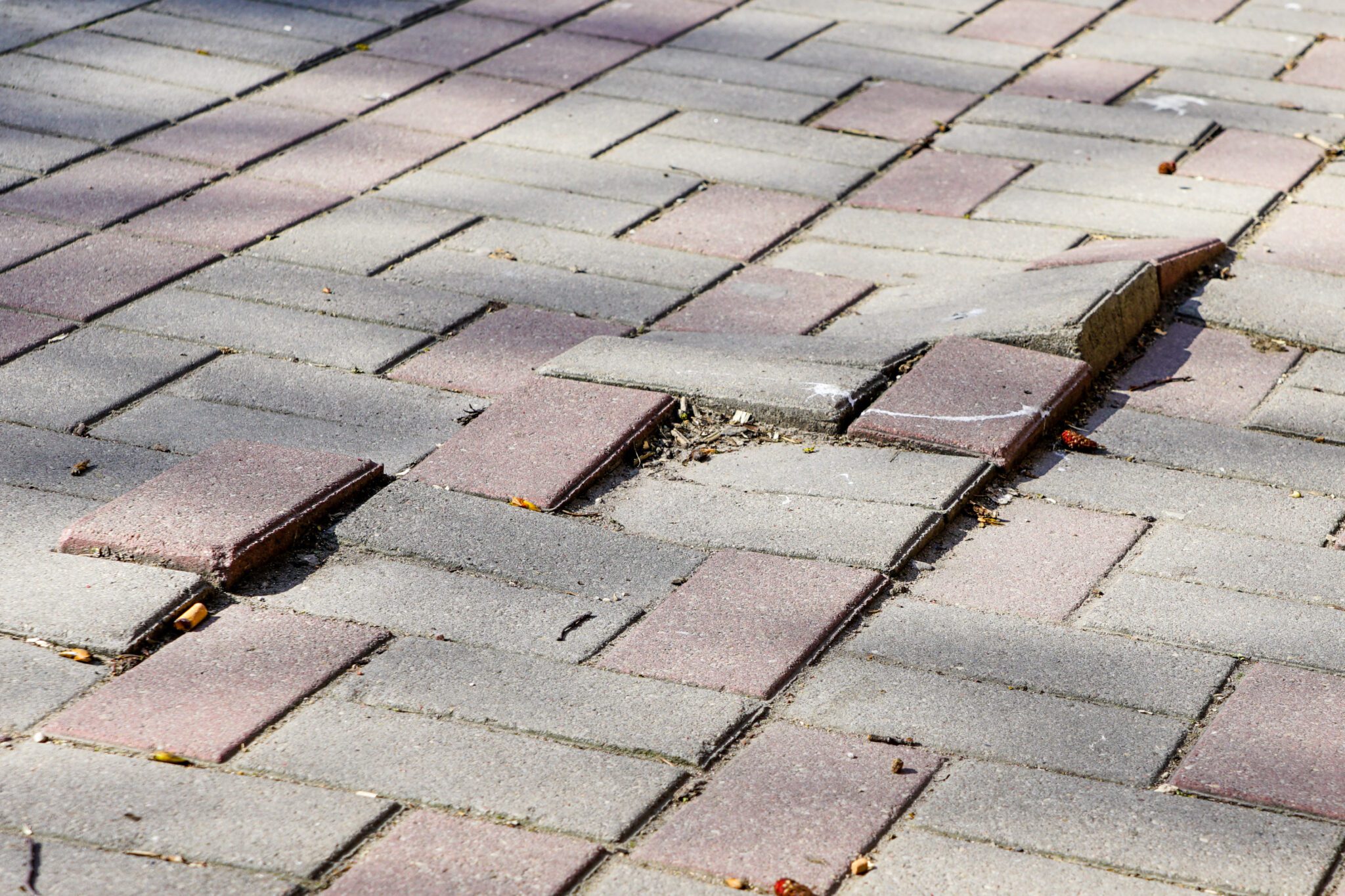
Unfortunately, your home’s foundation is not the only concrete area that can be affected. Walks, driveways, pool decks and patios all share the potential to sink and shift. Not only are uneven and cracked walkways an eyesore, but they can also pose a danger for your family and guests who walk on them. They can also cause damage to your vehicles and equipment. These trip hazards need to be repaired before someone gets hurt.

Is Uneven Concrete Causing Trip Hazards Around Your Home?

The American Disabilities Act (ADA) has laws stating that any level changes in walking areas cannot be greater than ¼ inch. This is to allow those with disabilities, including vision impairment, mobility challenges, or requiring a wheelchair, to safely move over any surface. Uneven concrete, with high and low spots and/or large cracks, are trip hazards for anyone, but are especially challenging for those with disabilities. By not complying with the law, homeowners are liable and can be sued if a pedestrian is hurt on a trip hazard on their property.

Isn’t it better to repair the trip hazard than to risk the financial hardship and stress of legal fees, litigation, higher insurance rates and settlements? There are a few options for leveling trip hazards:

  1. Concrete Replacement. Not only is this method old school, but it is expensive, too. Plus, it’s time consuming, messy, and the torn out concrete ends up in a landfill.
  2. Mudjacking. Less expensive than replacement, but also a messy process. Further, the weight of the cement grout can still cause sinking, cracking and trip hazard issues later on. And, it’s not water tight
  3. Concrete Leveling with Polyurethane Foam. Inexpensive, clean, and environmentally friendly, Atlas Foundation recommends this proven method for repairing uneven concrete.

Repair Trip Hazards with Atlas Foundation’s Concrete Leveling Services. Call 817-478-1181.

Concrete leveling with Atlas Foundation is safe, reliable and affordable. The process begins by drilling small holes into the concrete, polyurethane foam is incrementally injected into the holes, filling in voids, compressing and stabilizing loose soil, and lifting the concrete.

Top 6 Reasons to Level Your Concrete with Polyurethane Foam

  1. Costs less than other trip hazard repair methods
  2. No shrinkage and water tight
  3. Light, so it doesn’t add weight and cause more sinking later on
  4. No waste, so it’s environmentally friendly
  5. Made in the USA
  6. Time saving – most jobs are completed in a couple of hours

Ridding your home of trip hazards is important for keeping your family and guests protected and safe. Injuries from falls will be avoided, you will improve your home’s value, and you won’t be vulnerable to liability and lawsuits. Don’t delay!

Call the Best Fort Worth Foundation Repair Company

Do you have uneven concrete and trip hazards on your property? If you live in the Greater Fort Worth Area, call the experts at Atlas Foundation at 817-478-1181 for a free quote. Or, visit our website to complete a contact form and learn more. Our concrete leveling services will have you compliant with ADA guidelines in no time. With over 50 years of foundation repair experience, you can trust Atlas Foundation to protect your home and family from trip hazards.