
Foundation Watering Archives - Atlas Foundation
Atlas Foundation

Share this:

What a North Texas Freeze Does to Your Foundation and Plumbing

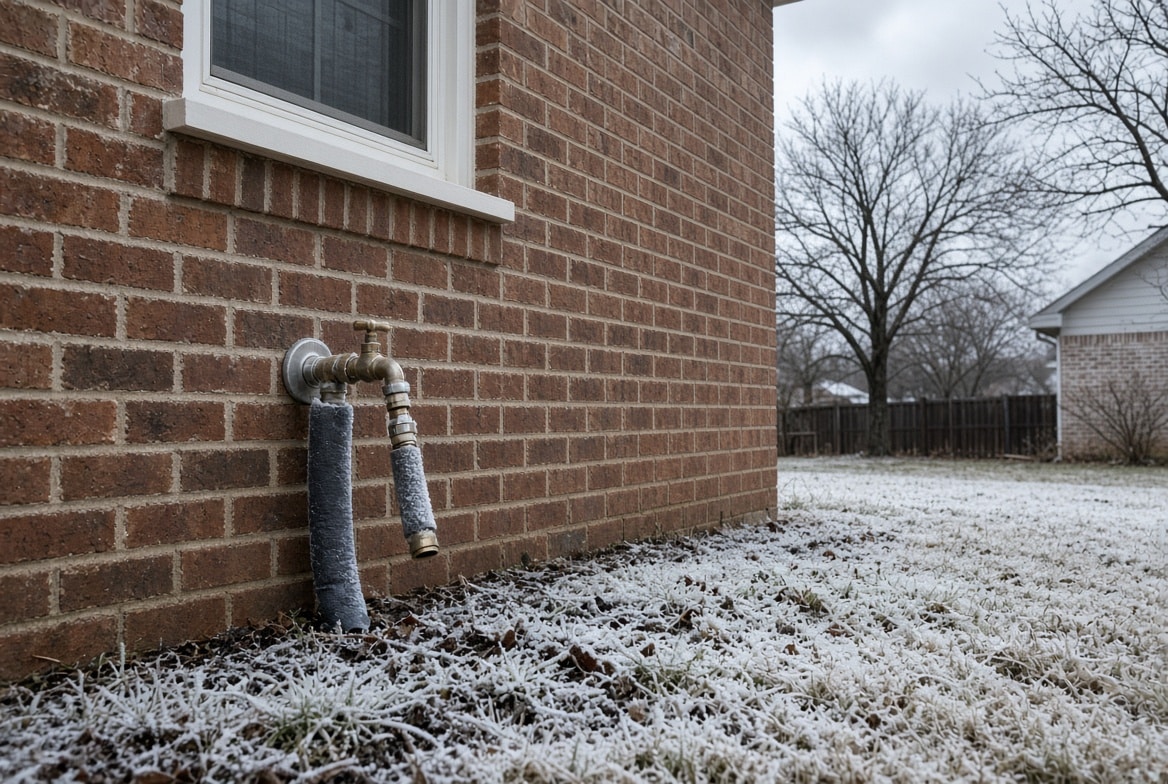
A North Texas freeze rarely cracks a foundation the way northern winters can. The damage arrives by a side door. When temperatures stay below freezing, exposed plumbing is the first thing at risk, and a pipe that splits during the freeze often does its real harm after the thaw, leaking under a slab where nobody can see it. At the same time, frozen surface moisture and the dry cold around it make the soil around a house less even than it was in the fall. Understanding both halves of a freeze, the plumbing half and the soil half, tells a homeowner what to protect beforehand and what to check afterward.

What happens to the soil around your foundation in a freeze?

The top layer of soil holds moisture, and moisture expands when it freezes. In North Texas the freeze is usually shallow and short, so deep frost heave of a slab is uncommon. The quieter effect is unevenness. Shaded soil on the north side of a house freezes sooner and thaws later than soil on the sunny side. Beds under roof overhangs stay drier than open yard. The clay that was already managing a dry winter now has one more source of difference from one side of the house to the other, and foundations respond to difference more than to any single condition. A freeze does not have to lift a house to matter; it only has to make the ground under it less uniform.

Why is the plumbing the bigger freeze risk?

Because the water in a pipe has nowhere to expand. Lines in a pier-and-beam crawl space, outdoor faucets, and supply lines in exterior walls are the most exposed, and Atlas’s pier and beam foundation repair work regularly finds crawl-space plumbing that was never insulated. Under a slab, lines are protected by the ground and the house’s heat, but a break at a fitting or an older line can still follow a hard freeze. The dangerous part is timing. A split pipe under pressure may spray immediately, but a cracked drain or a slow supply leak can release water quietly for weeks. That water goes into the soil under the slab, swells the clay in one spot, and can lift part of the foundation while the homeowner is blaming the weather. This is the same mechanism as any leak under the slab, with a freeze as the starting event.

What should you do before and during a freeze?

Insulate exposed pipes and outdoor faucets before the cold arrives, not during it. Disconnect garden hoses so trapped water cannot freeze back into the faucet. Know where the home’s main shutoff valve is and how to use it; minutes matter when a line lets go. For pier-and-beam homes, close crawl-space vents if the home is equipped with closable vents, and check that skirting is intact so cold air is not blowing across the lines. Keep the foundation watering routine paused while the ground is frozen, and resume the slow cycle once the soil has thawed and a dry spell sets in.

What should you check after the thaw?

Walk the house in the first days after temperatures recover. Look for damp spots on floors or at baseboards, listen for water running when nothing is on, and check the water meter: if every fixture is off and the meter is still moving, water is going somewhere. Watch the next water bill for a jump the household cannot explain. Inside, note any doors that newly stick or cracks that were not there in December, and give them a few weeks of normal weather before judging them; soil and finishes both need time to settle back. If the meter test or the bill points to a hidden leak, a hydrostatic plumbing test can confirm whether the lines under the slab are holding pressure before anyone blames the foundation.

When is it time to call?

Call when the signs point under the floor: a running meter with everything off, a sewer odor, warm or damp flooring, a water bill that does not fit, or movement signs that keep growing weeks after the freeze is over. Atlas Foundation Co. pairs foundation evaluation with licensed plumbing services, so the leak question and the foundation question get answered together instead of in sequence. In North Texas, where shifting clay already stresses buried lines every season, ruling the plumbing in or out is the fastest way to know what a freeze actually did to your home.

Key terms

Hydrostatic test: A plumbing test in which lines are isolated and filled or pressurized, then watched for a loss of water or pressure that shows a leak exists under the slab.

Crawl space: The shallow space beneath a pier-and-beam home, where support piers, beams, and plumbing lines sit exposed to outside air temperatures.

Frost heave: The lifting of soil when moisture in it freezes and expands. In North Texas it is shallow and brief, but it can add to uneven soil conditions near a foundation.

Frequently asked questions

Q: Can a freeze crack my slab foundation?
A: Directly, almost never in North Texas. The freeze depth is shallow and brief. The real risk is a pipe that freezes and splits, then leaks under the slab after the thaw and moves the soil the slab rests on.

Q: How do I know if a pipe burst under my slab?
A: Check the water meter with every fixture off; if it still moves, water is escaping somewhere. Other signs are a higher water bill, damp or warm spots on the floor, a sewer smell, and the sound of running water when the house is quiet.

Q: Should I keep watering my foundation during a freeze?
A: Pause while the ground is frozen. Resume a slow soaker-hose cycle, 12 to 18 inches from the slab, after the thaw if a dry spell follows, so soil moisture evens back out gradually.

A sensible next step

If a freeze has come and gone and the meter, the bill, or the floors are telling a story you cannot explain, Atlas Foundation Co. can provide a free foundation evaluation and test the plumbing as part of the same visit. Atlas has served North Texas since 1958 and can be reached at 817-478-1181.
Share this:

A Winter Foundation Checklist for North Texas Homeowners

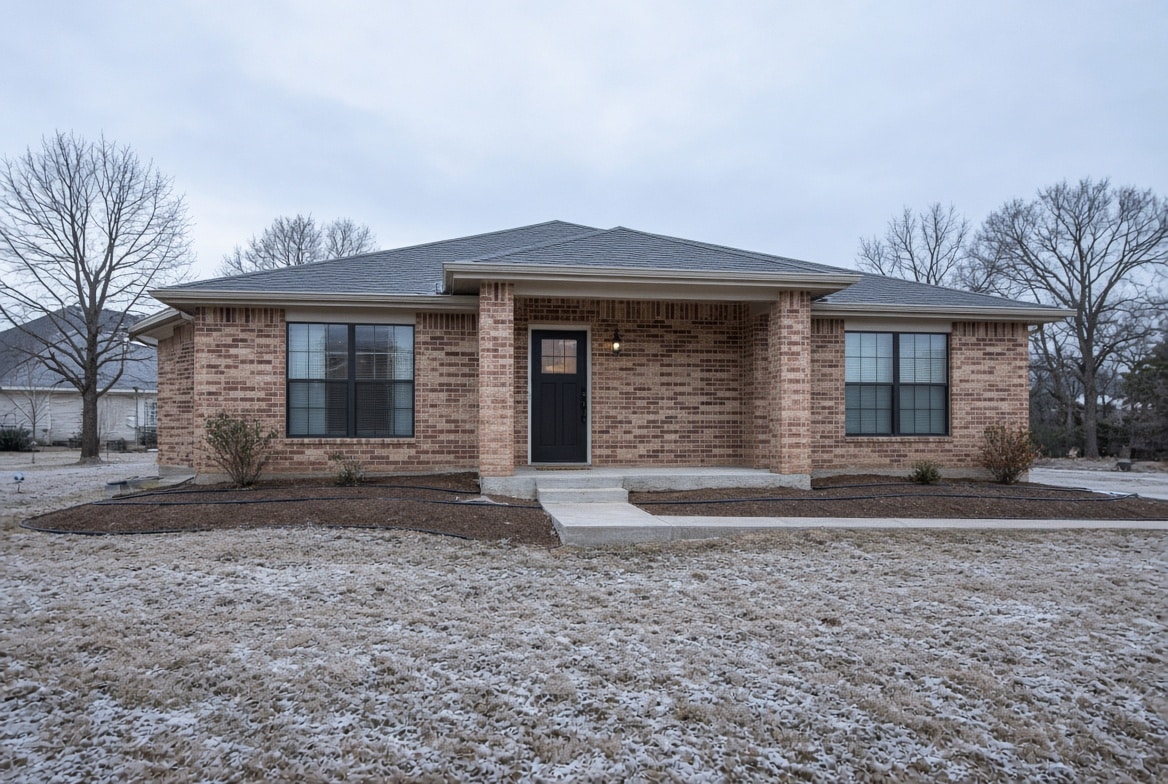
Winter does not give a North Texas foundation a rest. It changes the kind of stress. December and January bring cold snaps that can freeze exposed plumbing, dry stretches that let clay keep shrinking, and winter storms that soak one side of a house while the other side stays dry. A winter checklist cannot change expansive clay, but it can remove the easy problems: a watering routine abandoned too early, pipes left exposed before a freeze, and movement signs that get noticed by holiday guests before the homeowner sees them.

What does winter actually do to North Texas clay?

The soil under a Dallas–Fort Worth home responds to moisture, not to the calendar. In winter, that moisture picture gets uneven. A cold, dry week pulls water out of the ground slowly. A winter storm can then add a large amount of water quickly, and shorter days mean it evaporates more slowly than it would in spring. The clay swells where the water lands and stays shrunken where it does not. That uneven change, called differential movement, is what stresses brick, drywall, doors, and floors. Winter’s risk is not the cold itself. It is the swing between dry spells, freezes, and sudden soaking.

Keep the watering routine alive, but change it

Many homeowners shut off foundation watering when summer ends and do not think about it again until spring. In North Texas clay, winter dry spells can last for weeks, and the soil keeps losing moisture the whole time. If rain is regular, a reduced routine is fine. If the forecast turns dry, keep a slow cycle going with soaker hoses placed 12 to 18 inches from the slab. The goal is the same as it is in July: steady moisture around the whole perimeter, not a soaked strip beside one wall. Atlas Foundation Co.’s foundation watering program exists for homeowners who would rather have that consistency handled for them.

Protect the plumbing before a freeze

A hard freeze is a plumbing event before it is a foundation event. Lines in a pier-and-beam crawl space and outdoor fixtures are the most exposed, but any line that freezes and splits can leak quietly after the thaw. A leak under a slab feeds the soil in one spot, swells the clay there, and can lift part of the foundation while the rest stays put. Before a forecast freeze, insulate exposed pipes, disconnect garden hoses, and know where the shutoff valve is. After a freeze, watch for a water bill that does not fit the household’s use, damp spots, or a sewer smell. Those are reasons to ask about a leak under the slab before assuming the foundation itself has failed.

Use the holidays as a movement check

December puts more eyes and more traffic in a house than any other month. Guests use the guest-room door that sticks. Someone notices the crack over the dining-room doorway. That makes the holidays a practical time for the same inside-and-out check the fall foundation checklist calls for: test the doors and windows you use every day, look for stair-step cracks in brick mortar, check drywall near door frames and ceilings, and walk the floors slowly. Write down the date and take phone photos. A record from December makes a February change easy to judge instead of guess at. The full list of signs of foundation problems shows which changes matter most.

Check drainage after winter storms

Winter storms test the work done in fall. Walk the perimeter after a heavy rain and look for water standing against the house, gutters overflowing, and downspouts that have come loose. The ground should fall away from the foundation, roughly six inches over the first ten feet where the lot allows it. A low spot that holds water in January will keep feeding one section of clay long after the rest of the yard has dried, and that is exactly the uneven pattern a slab handles worst.

Key terms

Expansive clay: Soil that grows in volume when it absorbs water and shrinks as it dries. Most North Texas foundations sit on it, and its movement drives most foundation movement in the region.

Differential movement: Uneven lifting or settling of a foundation, caused when soil moisture changes under one part of a house more than under another.

Frost heave: The lifting of soil or a shallow foundation element when moisture in the ground freezes and expands. In North Texas it is a short-lived effect, but freeze-and-thaw cycles can add to uneven soil conditions near the surface.

Frequently asked questions

Q: Should I water my foundation in winter in North Texas?
A: Yes, during dry spells. Winter rain is irregular, and clay keeps losing moisture between storms. Keep a slow soaker-hose cycle 12 to 18 inches from the slab rather than stopping watering from the first cold front until spring.

Q: Can a freeze damage my foundation directly?
A: A North Texas freeze rarely harms a slab directly. The bigger risk is indirect: a pipe that freezes and splits can leak under the slab after the thaw, and freeze-and-thaw cycles make soil moisture less even around the house.

Q: What winter signs mean I should book an evaluation?
A: Book one when cracks are new or widening, doors or windows stop latching, floors feel sloped, a water bill jumps without explanation, or water keeps pooling by the house after gutters and grade have been corrected.

A sensible next step

If the winter check turns up movement you cannot explain, Atlas Foundation Co. can provide a free foundation evaluation and sort out whether drainage, moisture swings, plumbing, or slab movement is driving the change. Atlas has served North Texas homeowners since 1958 and can be reached at 817-478-1181.

Share this:

Why You Should Start a Foundation Watering Program This Spring

As North Texas warms up and winter’s moisture begins to fade, one of the most overlooked threats to your home is quietly building beneath the surface: soil shrinkage. For homeowners across the Dallas–Fort Worth area, spring is the ideal time to implement a foundation watering program—an easy and effective way to stabilize your foundation before the scorching summer heat takes over.

Why Spring Is the Ideal Time to Start

Spring offers a perfect window of opportunity. The soil still retains some moisture from winter rains, and temperatures haven’t yet hit their summer peaks. Starting a watering program now helps prevent the dramatic swings in soil moisture that cause North Texas foundations to shift, settle, and crack.

In this region, we deal with expansive clay soils that swell when wet and contract when dry. As the soil contracts, it pulls away from the foundation, creating voids and uneven support. That’s when damage starts—especially if one part of the home sinks more than another. A steady moisture routine prevents these extreme changes and protects your foundation all year long.

What Is a Foundation Watering Program?

A foundation watering program is a proactive soil-moisture management plan. Its goal is to keep the moisture level around your home consistent so the soil doesn’t expand and contract unpredictably. You can accomplish this by running soaker hoses around your home’s perimeter two to three times per week during dry periods.

It’s not about soaking the ground—it’s about consistency. A slow, steady trickle from a soaker hose is all it takes. This approach prevents cracks, uneven floors, and sticking doors before they happen.

How to Set Up Your Foundation Watering System

Here’s how to get started:

1. Use Soaker Hoses

Lay the hose 8 to 18 inches away from the foundation. Avoid placing it directly against the structure. The goal is even moisture—not pooling water.

2. Water Deeply and Consistently

Run the hose for 20–30 minutes early in the morning or evening, two to three times per week. Adjust based on how quickly the soil dries.

3. Add a Timer

A basic hose timer can make the routine automatic and more precise.

4. Watch for Soil Separation

If you notice gaps between the soil and your foundation, it’s a sign to increase your watering. If water starts pooling, cut back.

5. Combine with Good Drainage

A watering program is most effective when your yard drains properly. Make sure gutters and downspouts direct water away from the house, and consider French drains if needed.

Why It Matters in DFW

In the Dallas–Fort Worth metroplex, foundation issues aren’t just possible—they’re expected without preventative care. DFW homes are especially vulnerable due to our seasonal dryness, unpredictable rainfall, and soil type.

At Atlas Foundation, we’ve been helping homeowners navigate these unique challenges for more than 65 years. Whether you need help setting up a watering program or suspect damage has already begun, our team can inspect your home and help you take the right next step.

We don’t just fix foundations—we help you avoid the need for repairs in the first place.


FAQ

Q: Will a foundation watering program stop my home from settling?
A: It won’t reverse existing damage, but it will help prevent future movement—especially during dry months.

Q: Can I water too much?
A: Yes. Oversaturation can weaken the soil just like drought. Aim for balance. The soil should feel damp but firm.

Q: Should I water year-round?
A: While most watering is done in spring and summer, you may need to maintain a reduced schedule during dry fall periods too.

Q: How do I know if my foundation already has damage?
A: Look for signs like cracks in brick or sheetrock, uneven floors, or doors that stick. If you’re unsure, we offer free inspections across DFW.


Glossary

Soaker Hose – A porous garden hose designed to distribute water slowly and evenly to soil.

Expansive Clay Soil – Soil with a high clay content that swells when wet and shrinks when dry, causing movement under foundations.

Soil Separation – The physical pulling away of soil from a home’s foundation due to extreme dryness.

Differential Settlement – Uneven foundation sinking caused by inconsistent soil support.

Hydration Program – A term for regularly scheduled watering designed to maintain soil moisture around the home’s perimeter.