
Foundation Maintenance Archives - Atlas Foundation
Atlas Foundation

Share this:

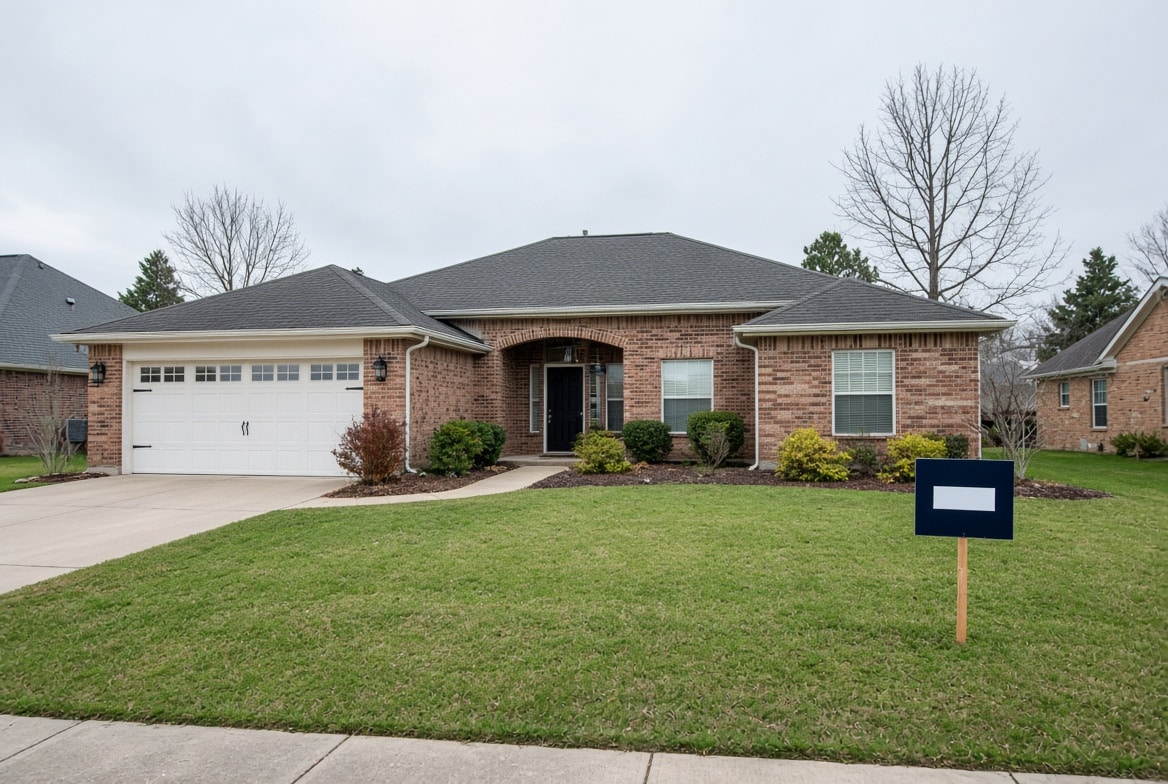
Selling a Home With Foundation Problems in Texas

January is when many North Texas homeowners quietly decide to sell in the spring, and it is the right month to deal with the foundation question while there is still time to choose. A home with foundation movement can be sold. What it cannot survive is a foundation surprise in the middle of a transaction, when a buyer’s inspector finds the cracks nobody documented and the deal slows down or falls apart. The homeowners who sell well with a foundation history share one trait: they got the facts, and the paperwork, before the listing went up.

What do you have to disclose in Texas?

Texas law requires most sellers to complete a Seller’s Disclosure Notice describing the condition of the property, and known foundation problems are exactly the kind of fact it exists for. A repaired foundation is not a secret to hide; it is a fact to document. A foundation that was evaluated, repaired, and warranted, with the records to prove it, reads to a buyer very differently from cracks with no explanation. Sellers should answer the disclosure honestly and completely, and let the documentation carry the reassurance. Guessing or minimizing is what creates disputes after closing.

Should you repair before listing, or sell as-is?

It depends on what an evaluation finds, and that is why the evaluation comes first. Some movement is cosmetic or stable, and a seller can price the home with the evaluation report on the table. Active movement is a harder sell as-is, because buyers and lenders both discount what they cannot size up, and they usually discount it by more than the repair would have cost. Repairing before listing, with a licensed structural engineer’s report before and after the work, converts an unknown into a finished item. Atlas Foundation Co. recommends exactly that sequence for homeowners planning to sell within the year, and handles the permit process as part of its foundation repair services.

Why does the warranty matter so much to a buyer?

Because it moves the risk. Atlas Foundation Co. backs its foundation repairs with a free lifetime warranty, and that warranty is transferable, so it passes to the next owner rather than expiring at the closing table. For a buyer comparing two homes with foundation histories, the one whose repair is warranted for the life of the home, by a company that has been in business since 1958, is simply the safer purchase. If your home was repaired years ago, January is the time to find the warranty paperwork and confirm it is in order, before a buyer’s questions make it urgent.

What documentation should you gather?

Build the packet before the first showing. It should include the foundation evaluation or engineer’s report, the repair contract and scope of work, elevation readings from before and after the repair if you have them, permit records, plumbing test results if lines under the slab were checked, and the warranty certificate. If the home has never been evaluated, start there; unexplained signs of foundation problems are harder to sell than explained ones. If a repair is needed, slab foundation repair or pier-and-beam work done in winter leaves the spring listing clean and the yard recovered.

When should the work happen?

Foundation repair is not a warm-weather-only trade, and winter scheduling has practical advantages. Crews are easier to book in January than in the spring rush, the yard has time to settle and green back up before listing photos, and the seller controls the timeline instead of negotiating against a closing date. A repair discovered in March and negotiated in April is a concession. The same repair finished in February, with papers in a folder, is a feature of the listing.

Key terms

Seller’s Disclosure Notice: The form Texas law requires most sellers to give buyers, describing known conditions of the property, including foundation problems the seller is aware of.

Transferable warranty: A repair warranty that passes from the seller to the buyer at closing, so the new owner holds the coverage for the work already done.

Elevation readings: Measurements of a floor’s heights across a home, taken to show how much a foundation has moved and whether a repair restored it.

Frequently asked questions

Q: Do I have to disclose a foundation repair that was done years ago?
A: Yes. Texas sellers must disclose known foundation problems and repairs on the Seller’s Disclosure Notice. A documented, warranted repair is a selling point; an undisclosed one is a liability.

Q: Will a foundation history scare off every buyer?
A: No. Buyers in North Texas know clay soil moves foundations. What scares buyers is uncertainty. An engineer’s report, a completed repair, and a transferable lifetime warranty answer the uncertainty directly.

Q: Is it better to repair or to lower the price?
A: Get the evaluation first. Buyers usually discount an unrepaired foundation by more than the repair costs, because they are pricing the unknown. A completed, documented repair often protects more of the sale price than it costs.

A sensible next step

If a spring sale is on your calendar, January is the month to know where your foundation stands. Atlas Foundation Co. offers a free foundation evaluation for North Texas homeowners, and can explain what documentation and warranty records a buyer will want to see. Call 817-478-1181 to schedule.
Share this:

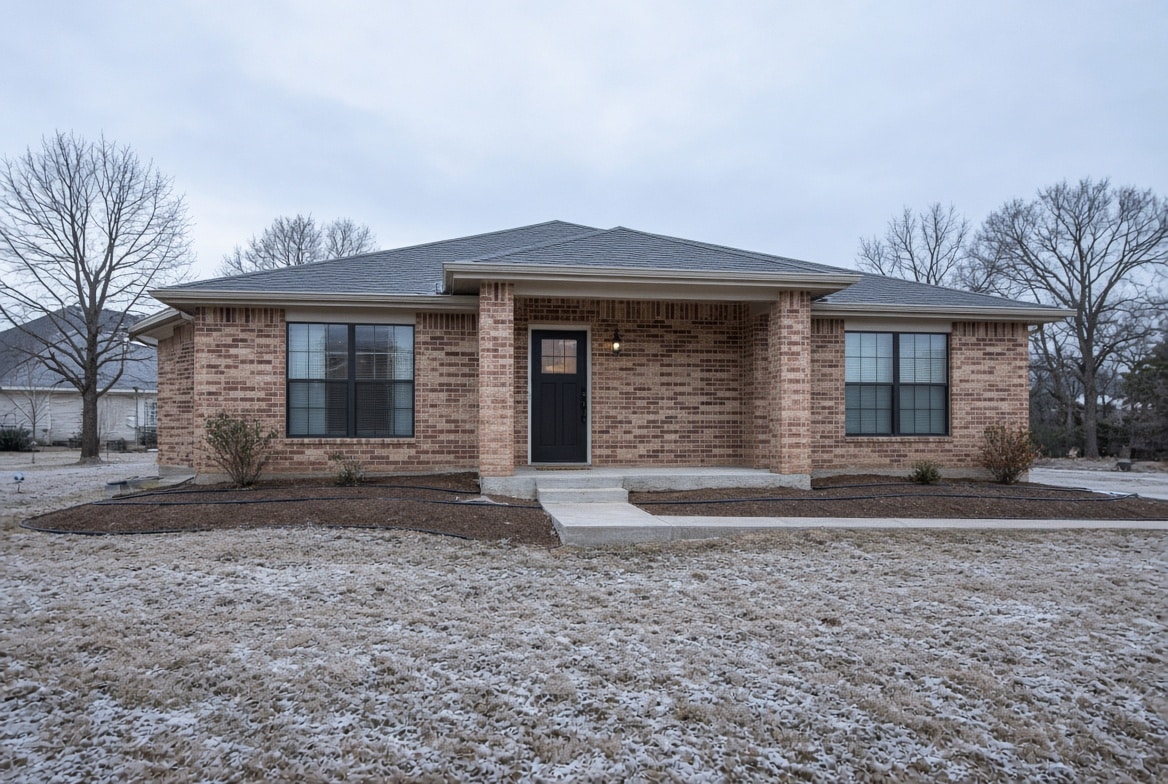
A Winter Foundation Checklist for North Texas Homeowners

Winter does not give a North Texas foundation a rest. It changes the kind of stress. December and January bring cold snaps that can freeze exposed plumbing, dry stretches that let clay keep shrinking, and winter storms that soak one side of a house while the other side stays dry. A winter checklist cannot change expansive clay, but it can remove the easy problems: a watering routine abandoned too early, pipes left exposed before a freeze, and movement signs that get noticed by holiday guests before the homeowner sees them.

What does winter actually do to North Texas clay?

The soil under a Dallas–Fort Worth home responds to moisture, not to the calendar. In winter, that moisture picture gets uneven. A cold, dry week pulls water out of the ground slowly. A winter storm can then add a large amount of water quickly, and shorter days mean it evaporates more slowly than it would in spring. The clay swells where the water lands and stays shrunken where it does not. That uneven change, called differential movement, is what stresses brick, drywall, doors, and floors. Winter’s risk is not the cold itself. It is the swing between dry spells, freezes, and sudden soaking.

Keep the watering routine alive, but change it

Many homeowners shut off foundation watering when summer ends and do not think about it again until spring. In North Texas clay, winter dry spells can last for weeks, and the soil keeps losing moisture the whole time. If rain is regular, a reduced routine is fine. If the forecast turns dry, keep a slow cycle going with soaker hoses placed 12 to 18 inches from the slab. The goal is the same as it is in July: steady moisture around the whole perimeter, not a soaked strip beside one wall. Atlas Foundation Co.’s foundation watering program exists for homeowners who would rather have that consistency handled for them.

Protect the plumbing before a freeze

A hard freeze is a plumbing event before it is a foundation event. Lines in a pier-and-beam crawl space and outdoor fixtures are the most exposed, but any line that freezes and splits can leak quietly after the thaw. A leak under a slab feeds the soil in one spot, swells the clay there, and can lift part of the foundation while the rest stays put. Before a forecast freeze, insulate exposed pipes, disconnect garden hoses, and know where the shutoff valve is. After a freeze, watch for a water bill that does not fit the household’s use, damp spots, or a sewer smell. Those are reasons to ask about a leak under the slab before assuming the foundation itself has failed.

Use the holidays as a movement check

December puts more eyes and more traffic in a house than any other month. Guests use the guest-room door that sticks. Someone notices the crack over the dining-room doorway. That makes the holidays a practical time for the same inside-and-out check the fall foundation checklist calls for: test the doors and windows you use every day, look for stair-step cracks in brick mortar, check drywall near door frames and ceilings, and walk the floors slowly. Write down the date and take phone photos. A record from December makes a February change easy to judge instead of guess at. The full list of signs of foundation problems shows which changes matter most.

Check drainage after winter storms

Winter storms test the work done in fall. Walk the perimeter after a heavy rain and look for water standing against the house, gutters overflowing, and downspouts that have come loose. The ground should fall away from the foundation, roughly six inches over the first ten feet where the lot allows it. A low spot that holds water in January will keep feeding one section of clay long after the rest of the yard has dried, and that is exactly the uneven pattern a slab handles worst.

Key terms

Expansive clay: Soil that grows in volume when it absorbs water and shrinks as it dries. Most North Texas foundations sit on it, and its movement drives most foundation movement in the region.

Differential movement: Uneven lifting or settling of a foundation, caused when soil moisture changes under one part of a house more than under another.

Frost heave: The lifting of soil or a shallow foundation element when moisture in the ground freezes and expands. In North Texas it is a short-lived effect, but freeze-and-thaw cycles can add to uneven soil conditions near the surface.

Frequently asked questions

Q: Should I water my foundation in winter in North Texas?
A: Yes, during dry spells. Winter rain is irregular, and clay keeps losing moisture between storms. Keep a slow soaker-hose cycle 12 to 18 inches from the slab rather than stopping watering from the first cold front until spring.

Q: Can a freeze damage my foundation directly?
A: A North Texas freeze rarely harms a slab directly. The bigger risk is indirect: a pipe that freezes and splits can leak under the slab after the thaw, and freeze-and-thaw cycles make soil moisture less even around the house.

Q: What winter signs mean I should book an evaluation?
A: Book one when cracks are new or widening, doors or windows stop latching, floors feel sloped, a water bill jumps without explanation, or water keeps pooling by the house after gutters and grade have been corrected.

A sensible next step

If the winter check turns up movement you cannot explain, Atlas Foundation Co. can provide a free foundation evaluation and sort out whether drainage, moisture swings, plumbing, or slab movement is driving the change. Atlas has served North Texas homeowners since 1958 and can be reached at 817-478-1181.

Share this:

Post-Summer Soil Recovery: Re-Hydrating the Ground Around Your Foundation (Without Overwatering)

Every Texan knows summer can be brutal—not just for you, but for your home. After months of scorching heat and little rain, the soil around your foundation can shrink like a sponge left out in the sun. Then, when fall storms arrive, that dry ground soaks up water unevenly, causing expansion and stress.

The good news: you can help your foundation recover from summer by re-hydrating the soil carefully. The tricky part? Doing it without drowning your yard or making problems worse.


Why Soil Moisture Matters So Much

In North Texas, the biggest threat to foundations isn’t earthquakes or tornadoes—it’s the ground itself.

Expansive Clay Soil: Soil that swells dramatically when wet and shrinks when dry, common across Texas and one of the leading causes of foundation issues.

When soil pulls away from your foundation during drought, voids form. Later, when rain hits, those voids refill unevenly. The constant push-pull stresses slabs and pier-and-beam homes alike.

Q: Why does the soil crack open in summer?
A: As clay soil loses moisture, it contracts and pulls apart. Those gaps aren’t just cosmetic—they can undermine your foundation’s support.


The Risk of Overwatering

It’s tempting to think the solution is to flood the ground as soon as you notice cracks. But that’s a mistake.

Hydrostatic Pressure: The force water-saturated soil exerts on your foundation. Too much watering can push inward on basement walls or slab edges.

Dumping too much water too fast can cause just as much trouble as drought—creating pressure, drainage issues, or even attracting pests.


Smart Re-Hydration: A Step-By-Step Guide

Here’s how to ease your soil (and your foundation) back to health after a hot Texas summer:

  1. Start Slow. Add water gradually over days, not hours.
  2. Use Soaker Hoses. Lay them 12–18 inches from the foundation to create even moisture.
  3. Schedule Smart. Water early morning or late evening to minimize evaporation.
  4. Monitor Moisture. The goal is damp, not soggy, soil.
  5. Check Drainage. Make sure water doesn’t pool against your home.

Q: Can I just run my sprinkler system more often?
A: Sprinklers help lawns, but they don’t always penetrate deep enough to stabilize soil around foundations. Soaker hoses or drip irrigation work better.


Signs You’re Doing It Right

When re-hydration is working, you’ll notice:

  • Soil closes back against your foundation.
  • Small surface cracks shrink.
  • Landscaping looks healthier without swampy spots.

Soil Heave: Upward swelling of soil, usually after heavy rain or plumbing leaks, that lifts part of a foundation unevenly.

Keeping soil evenly moist prevents sudden heaves and drops.


What Not to Do

Some common mistakes to avoid:

  • Don’t flood foundation edges. Water should spread evenly, not pool.
  • Don’t forget gutters. Broken gutters dump water in concentrated spots, undoing your careful work.
  • Don’t stop too soon. Re-hydration is a steady routine, not a one-time fix.

Q: How often should I water after summer?
A: In DFW, a couple of deep soakings per week with soaker hoses is often enough. Adjust based on rainfall and soil conditions.


Real-Life Example

A homeowner in Arlington noticed gaps wide enough to slip a hand between soil and slab by late August. Instead of flooding the yard, they used soaker hoses for 30 minutes every other day for two weeks. By September, the soil had closed back up, doors aligned again, and the home was ready for fall rains—without foundation stress.


Professional Help When Needed

DIY watering goes a long way, but sometimes cracks and gaps reveal bigger issues. That’s when it’s time for a professional evaluation. Atlas Foundations has decades of experience helping DFW homeowners separate “normal soil shrinkage” from “time to repair.”

Foundation Settlement: The natural downward movement of a home’s base as soil compresses or shifts. Some settlement is normal, but uneven settlement leads to damage.


Final Thoughts

Texas summers are tough, but your foundation doesn’t have to suffer. By slowly and steadily re-hydrating the soil, you help your home recover from drought and prepare for seasonal rains—without overwatering.

Think of it like helping a marathon runner cool down after a race: steady, careful steps, not a bucket of cold water.

If you’re seeing soil gaps, sticking doors, or widening cracks, don’t wait until spring. Atlas Foundations can guide you through recovery and repair.

👉 Ready for peace of mind? Contact Atlas Foundations today and keep your home steady through Texas seasons.